 -->
-->
Trezor Login – Unlocking Crypto Security the Smart Way
Your Trezor Login is more than just a step toward accessing your crypto wallet — it’s a gateway to the safest digital ownership experience available today. Let’s explore how to log in securely, manage assets, and protect what matters most.
🔍 What Does Trezor Login Mean?
Trezor Login is a secure authentication method that ensures only the hardware wallet owner can access funds or approve transactions. Instead of a typical username-password combination, Trezor uses physical verification through its hardware device — making it resistant to phishing or malware attacks.
The moment you connect your Trezor wallet to your computer, the magic happens. You verify actions directly on the device screen, keeping your private keys offline, safe, and unexposed to any network threats.
🚀 Step-by-Step Guide to Logging In with Trezor
Let’s go through the Trezor Login journey — simple, seamless, and fully secure for every type of user.
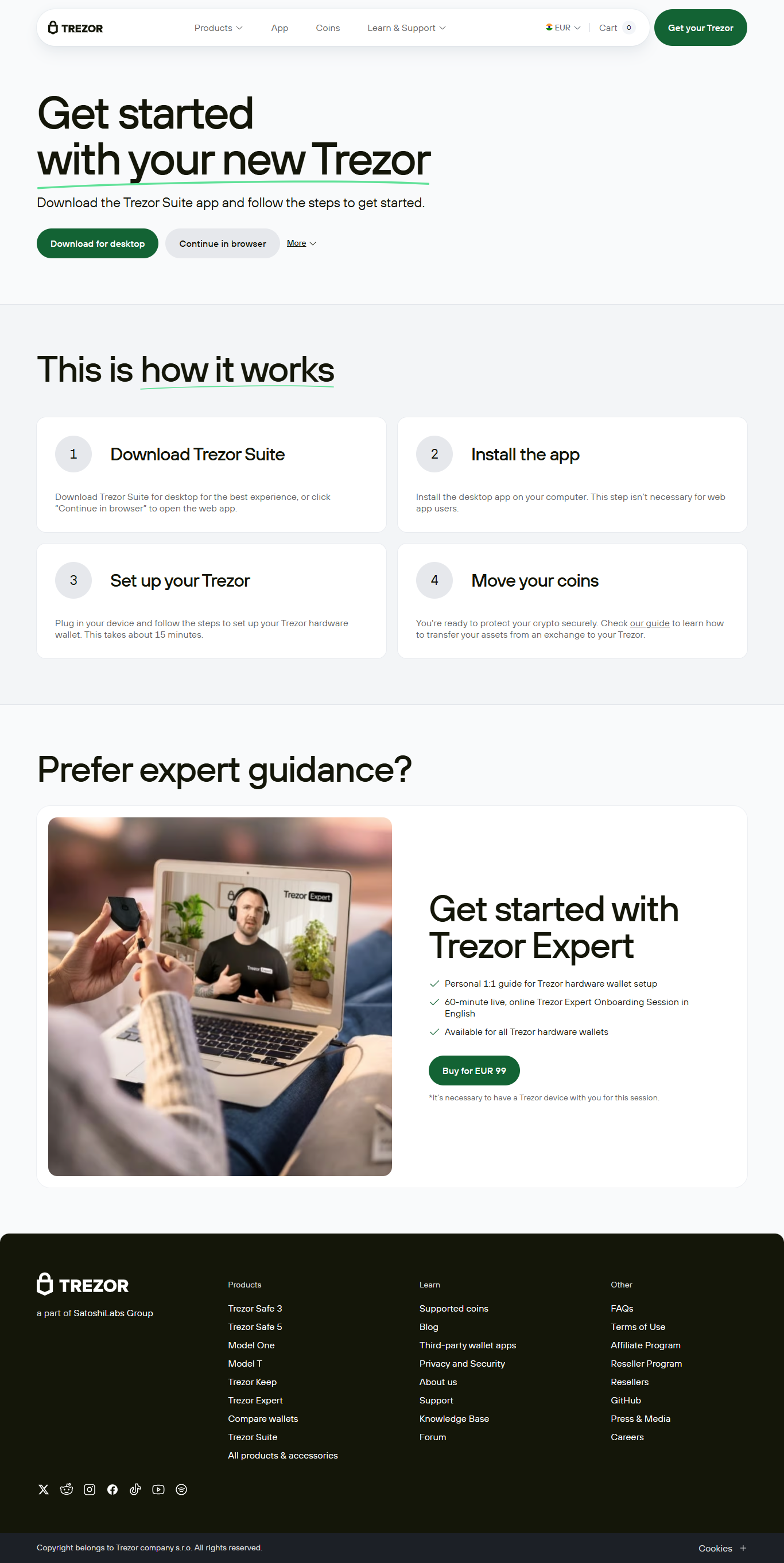
Step 1: Connect Your Trezor
Use the official USB cable to connect your Trezor Model One or Model T to your device. The system will automatically detect the wallet and initiate a handshake.
Step 2: Launch Trezor Suite
Open the Trezor Suite desktop app or web version. This is your personal dashboard for viewing balances, monitoring assets, and performing transactions safely.
Step 3: Authenticate Using Your PIN
Your Trezor screen will display a randomized PIN grid. Enter the matching sequence on your computer screen — ensuring only you know the correct order.
Step 4: Access Your Dashboard
Once the login completes, you can access your crypto dashboard — all balances, accounts, and activity logs are securely viewable without exposing sensitive information.
💡 Why Choose Trezor for Logging Into Your Crypto Wallet?
Unlike cloud wallets that rely on online credentials, Trezor operates on cold storage — meaning your private keys never leave your device. Here’s why Trezor Login is one of the most advanced crypto security systems in the world:
- Zero Trust Model: Trezor assumes no network is safe — keeping critical data offline.
- Open Source Verification: The firmware and security code are publicly verifiable, ensuring transparency.
- Independent Verification: Every action must be confirmed on the device, not just your PC.
- Decentralized Ownership: You hold your keys, meaning full control over your funds.
🧩 Comparing Trezor Login vs Traditional Crypto Logins
| Feature | Trezor Login | Traditional Login |
|---|---|---|
| Security Level | Hardware-based, offline protection | Password and email-based |
| Vulnerability | Nearly impossible to hack remotely | Prone to phishing and data leaks |
| User Verification | Physical confirmation required | Digital input only |
| Privacy | No centralized storage of credentials | Stored on servers or clouds |
⚙️ Advanced Trezor Login Options
Trezor allows users to enhance their login security even further using optional features:
- Passphrase Protection: Add a personal passphrase to create a hidden wallet.
- Tor Network Access: Use Trezor Suite’s built-in Tor integration for anonymity.
- Firmware Updates: Keep your device updated to stay ahead of vulnerabilities.
- Multi-Wallet Access: Manage several wallets under one interface securely.
🔧 Troubleshooting Trezor Login Issues
If your Trezor Login doesn’t go as planned, here are some common problems and quick solutions:
| Problem | Cause | Fix |
|---|---|---|
| Device not detected | Outdated drivers or USB issue | Reinstall Trezor Bridge and use another USB port |
| PIN not accepted | Incorrect matrix interpretation | Double-check the on-screen pattern |
| Firmware error | Version mismatch | Update firmware via Trezor Suite |
💬 Expert Insights
“Trezor Login transforms how we perceive digital identity. It moves trust from passwords to physics — from memory to matter.”
Crypto experts agree that hardware-based authentication is the future. With growing phishing scams and exchange hacks, Trezor’s physical confirmation process acts as a digital fortress against modern threats.
❓ Frequently Asked Questions (FAQs)
1. Can I log in to my wallet without the Trezor device?
No. The Trezor hardware wallet is required for every login. Without it, access is impossible — protecting your crypto even if your computer is compromised.
2. What happens if I lose my Trezor?
As long as you have your recovery seed, you can restore your funds on a new device. Keep it written and stored securely offline.
3. Is the Trezor Login safe on public Wi-Fi?
Yes, because your private keys never leave the hardware device. Even if your network is insecure, your wallet remains protected.
4. How often should I update the Trezor firmware?
Check for updates monthly or whenever Trezor Suite notifies you. Updates include bug fixes, security patches, and compatibility improvements.
🏁 Conclusion: Redefining Crypto Security Through Trezor Login
The Trezor Login experience proves that true security doesn’t come from complexity but from control. By holding your private keys offline, confirming every transaction manually, and eliminating dependence on centralized systems, Trezor empowers every crypto user to own their digital future.